Housing advice shaped by lived reality
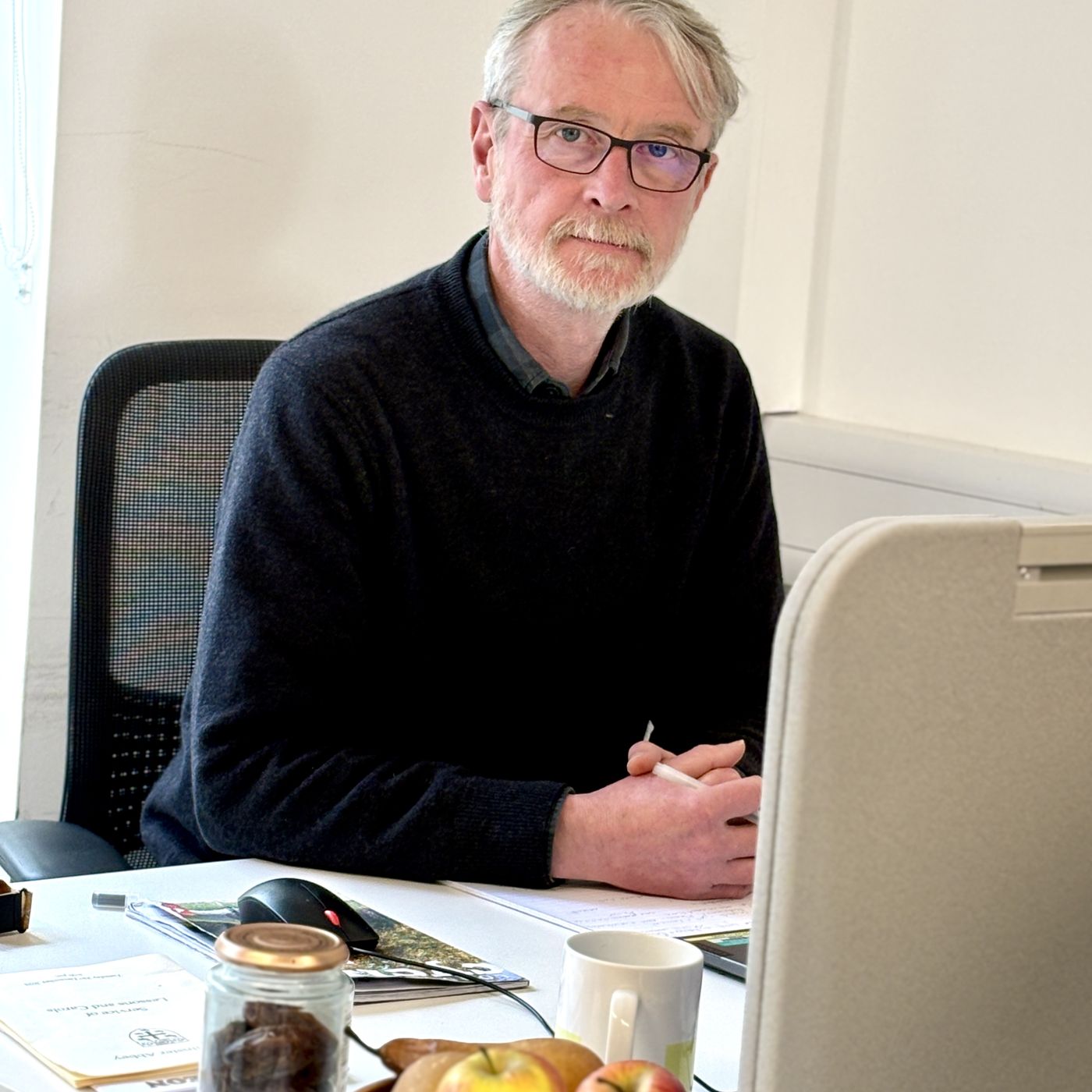
Alastair is a housing advisor at the Cardinal Hume Centre. He supports people who are facing homelessness or at risk of losing their home. His work is rooted in years of experience in advice, advocacy and disability services.
Before joining the Centre, Alastair worked for the RNIB and previously Action for Blind People, supporting blind and partially sighted people who were homeless or at risk of homelessness. Much of his work combined housing advice with advocacy, often helping people navigate systems that were not designed with accessibility in mind.
One experience stayed with him and ultimately shaped his direction.
‘I was asked to support a woman who was registered blind and had just been made homeless,’ he says. ‘We were standing outside a council building, in the dark, after it had closed, and I wasn’t able to help. She had with her all the belongings she could carry. I remember there was a little kettle and half a bag of rice poking out of the bag. And I remember thinking: I never want to be in this position again.’
From that point, he trained more deeply in housing and homelessness law, including with Shelter, determined to better understand how to prevent situations like that from recurring. Over time, he became known for his work on complex housing cases, particularly where disability and homelessness overlap.
If we can help someone secure the basics – somewhere safe to live, some stability – then everything else becomes possible again.
Alastair, housing officerAt the Cardinal Hume Centre, Alastair now supports a wide range of people – including families newly granted asylum, people leaving unsafe housing, and those facing eviction due to rising rents or disrepair. Many arrive with little understanding of housing or benefits systems and often face multiple barriers when trying to access support.
‘A lot of people are overwhelmed before they even reach us,’ he says. ‘They’ve had letters they can’t read, systems they can’t access, and no clear sense of what happens next.’
His role is practical and rights-focused. He works directly with people to understand their situation, review documents, and support applications that can feel complex or inaccessible.
‘What matters is sitting with them, working it through, and making sure they understand what their rights are,’ he says.
He also draws on a personal connection to housing work. His father worked as a rent officer, which meant housing conversations were part of his upbringing.
‘I grew up around housing issues without really realising it,’ he says. ‘But I think it gave me a sense early on that housing isn’t abstract – it’s something that shapes every part of someone’s life.’
For Alastair, the motivation remains clear.
‘Most of the people we see aren’t in crisis because of one thing,’ he says. ‘It’s structural. And if we can help someone secure the basics – somewhere safe to live, some stability – then everything else becomes possible again.’