'I was completely alone.’
When she came to the UK as an international student, Farah’s future felt clear. Then war broke out in her home country, her family were deported, and she lost contact with them.
‘My father was paying for everything – my education, my accommodation… so I lost everything.’
She applied for asylum and was moved out of London, placed in a hotel in an unfamiliar town.
‘I didn’t know anyone. I had no idea what had happened to my parents. I was completely alone.’
Even after being granted humanitarian protection, the uncertainty did not end. She was moved from hotel to hotel for nearly a year before being told she wasn’t a priority for housing.
She returned to London for familiarity knowing she would have nowhere to go.
She slept at Victoria Station, at first outside, then hiding in the toilets after a frightening incident. She searched online for help. She called the first place that came up.
‘By luck,’ she says.
It was the Cardinal Hume Centre, and one of our colleagues who works in housing walked to Victoria station to meet her.
‘Once I came here, everything changed.’
Our supported accommodation case workers gave her space when she needed it, and support when she was ready.
‘When I first came here, I didn’t trust anyone. I was so scared to go out. I didn’t leave my room.’
Slowly, that began to change as the team helped her rebuild her confidence.
They asked me what I like to do… I realised no one had ever asked me that.
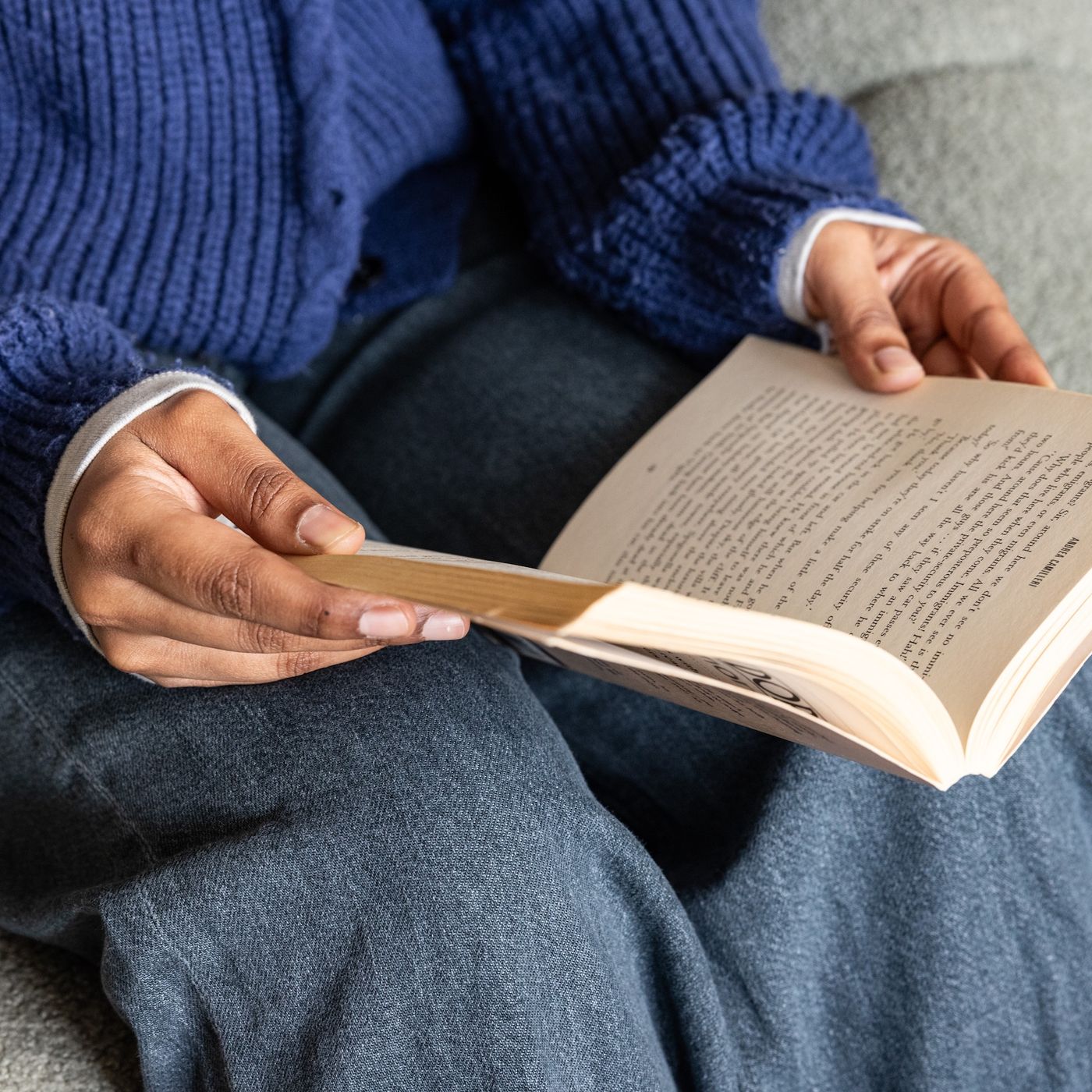
She said she loved reading so her case worker helped her get a library card.
‘I used to love books but through the period of being homeless, I just couldn't read. I was so traumatised. One of the first things they did when I started living here was register me with a library. And I suddenly started reading, like, ten books a week.’
The first time she picked up a book again, after everything she had been through, she cried.
‘When I got that first book, I was so emotional. And I finished it in two hours.’
With our support, she returned to her studies after a year out – something that had begun to feel impossible.
She is about to graduate in nutrition, has been accepted into medical school, and is planning a future helping others.
‘I want to go to war zones as a doctor.’
Looking back, she is clear about the difference the support of the Cardinal Hume Centre made. ‘I don’t think I’d be here if it wasn’t for them.’
And just as important as what changed is what stayed with her. ‘Even when I move on, I know I’ll always have somewhere to come back to.’